
Before you give up equity, get clear answers on who builds your product, who owns the code, who makes technical decisions, and who supports it after launch. Founders have more startup programs to choose from than ever: incubators, accelerators, venture studios and hands-on build partners. Most comparisons focus on brand name and network. Those matter,… Continue reading Questions to Ask a Startup Incubator Before You Commit Equity
MVP Checklist for Non-Technical Founders
You have an idea, you’ve talked to a few potential customers, and you’re eager to start building. That energy is valuable. But for non-technical founders, the weeks before development begins often decide whether the MVP succeeds or becomes an expensive lesson. A minimum viable product (MVP) is the simplest version of your product that lets… Continue reading MVP Checklist for Non-Technical Founders
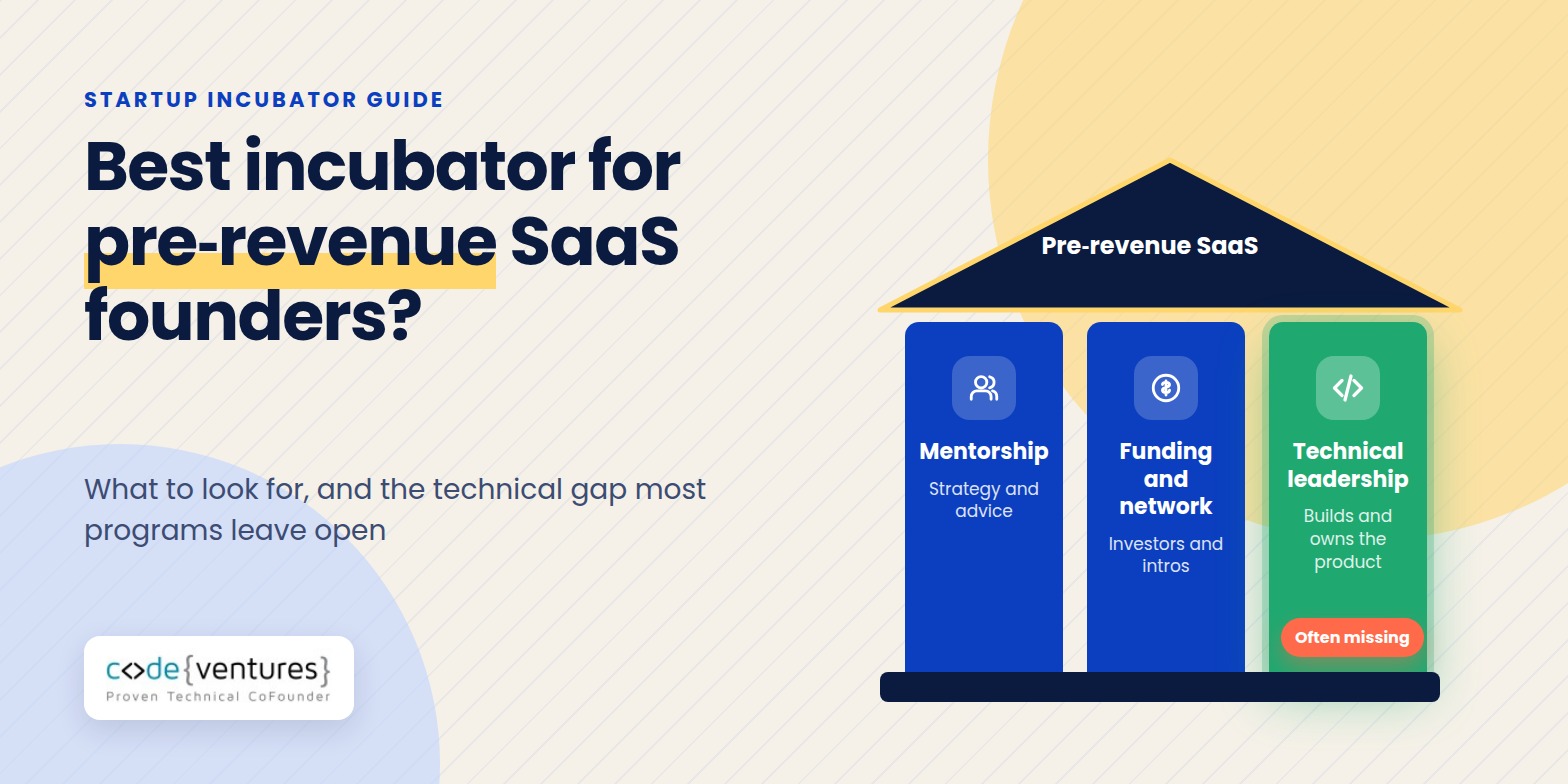
Best Startup Incubator Program for Pre-Revenue SaaS Founders
If you’re building a SaaS product with no revenue yet, “which incubator should I join?” is one of the first questions you’ll ask. The honest answer is that there is no single best program. The best one depends on your stage, your team, and, above all, what’s actually holding your startup back. For many pre-revenue… Continue reading Best Startup Incubator Program for Pre-Revenue SaaS Founders
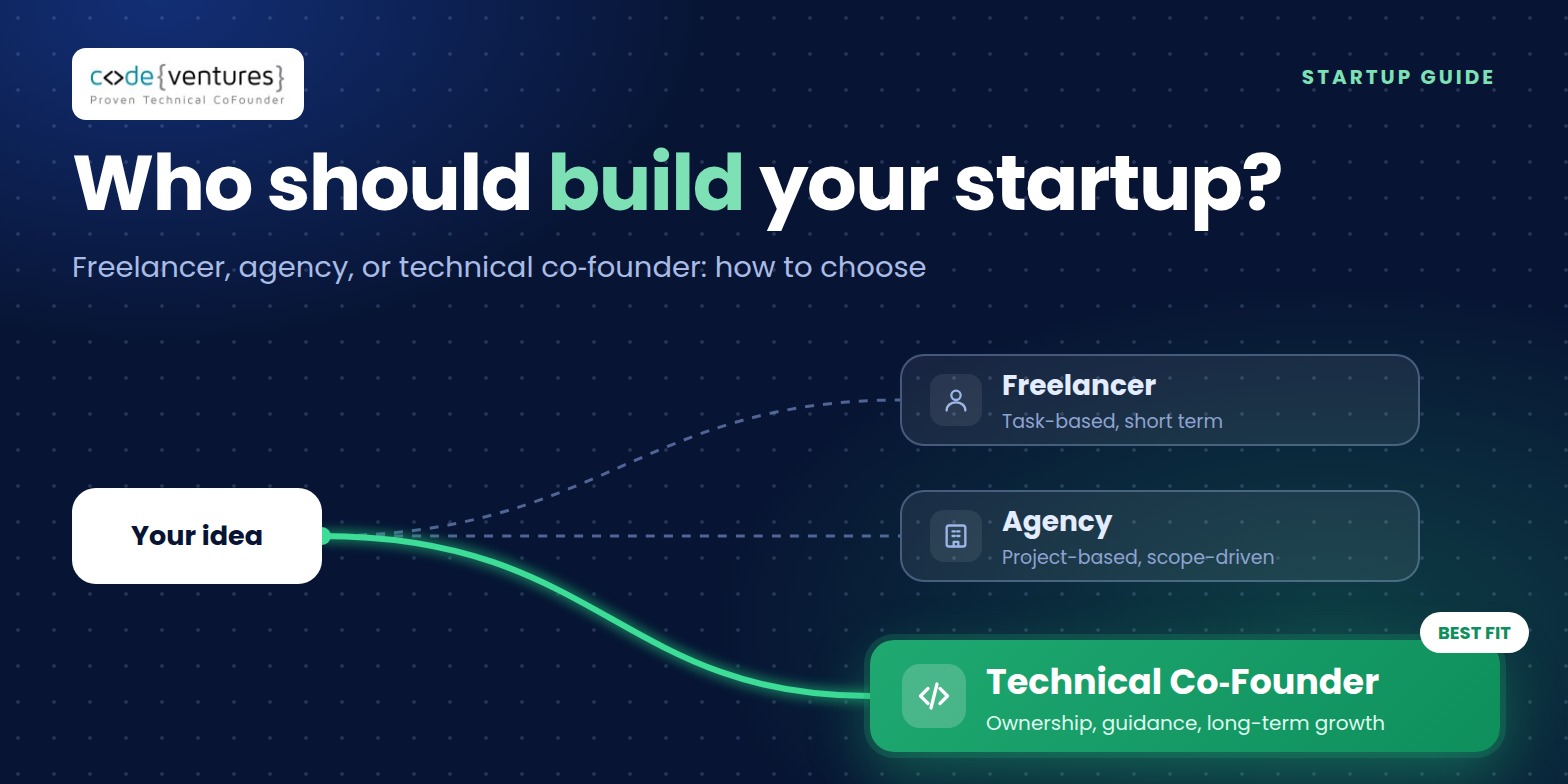
Freelancers, Agencies, or a Technical Co-Founder? How to Choose the Right Path
You’ve validated your idea, you know your customer, and you’re ready to build. Then comes the question that stops many non-technical founders: who actually builds this? Most founders consider three options: hire a freelancer, hire an agency, or find a technical co-founder. Each can produce a working product. But they differ sharply in cost, risk,… Continue reading Freelancers, Agencies, or a Technical Co-Founder? How to Choose the Right Path
Founder Support : Technical Guidance for Startups
You have a strong idea, a clear market, and the drive to build something real. But when it’s time to turn that idea into a working product, you hit a wall. Which tech stack should you choose? Who will build it? How do you know the code is any good? If you’re a non-technical founder,… Continue reading Founder Support : Technical Guidance for Startups
Demystifying Scalability: The Essentials of Building a Robust SaaS Infrastructure
If there is one thing entrepreneurs around the world have in common, it is obsessing over scaling their businesses. For startup founders building their own SaaS products, it is the key that unlocks a plethora of opportunities and ensures they can grow and adapt in tandem with user demands. Almost all startups aim to grow… Continue reading Demystifying Scalability: The Essentials of Building a Robust SaaS Infrastructure
The Next Big Startup Ideas According to YC and a16z
Every year, some of the world’s top startup investors share their predictions on where the biggest opportunities are for entrepreneurs. Their insights often guide what many founders decide to build and where investors focus their attention. For 2026, two influential organizations in Silicon Valley, Y Combinator (YC) and Andreessen Horowitz (a16z), have identified the technologies… Continue reading The Next Big Startup Ideas According to YC and a16z
Y Combinator’s Startup Ideas to Successful Products
Every year, Y Combinator (YC) publishes its Requests for Startups (RFS), a list of startup ideas that its partners believe represent some of the biggest opportunities in technology. Instead of just highlighting trending industries, these requests focus on real-world problems that need innovative solutions. Many successful startups today have drawn inspiration from opportunities similar to… Continue reading Y Combinator’s Startup Ideas to Successful Products
Top 10 Startup Studios Helping Founders Build the Next Big Thing
Startup studios have become one of the most effective models for turning innovative ideas into successful businesses. Unlike traditional software development agencies, which complete projects and move on, startup studios often become long-term partners. They offer product strategy, engineering expertise, operational guidance, hiring support, and sometimes capital. Some studios work entirely for equity, while others… Continue reading Top 10 Startup Studios Helping Founders Build the Next Big Thing
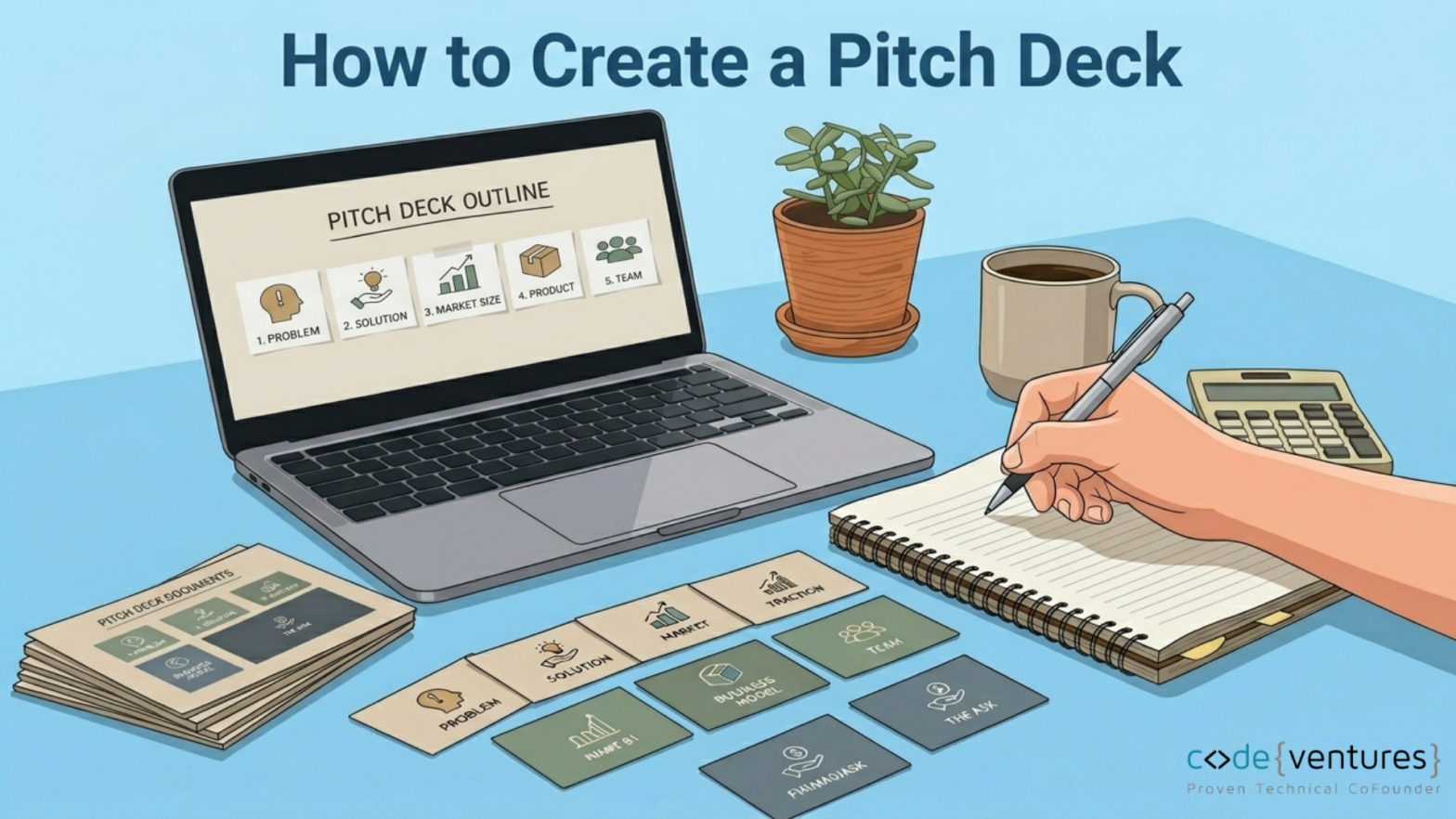
How to Create a Pitch Deck and What It Should Include
A pitch deck is a brief presentation that outlines your company, product, or business concept. It is typically made with slides and used to communicate vital information to partners, investors, or prospective clients. Your company’s objectives, market opportunity, business model, financial strategies, and growth prospects are all highlighted in a pitch deck. A well-designed pitch… Continue reading How to Create a Pitch Deck and What It Should Include
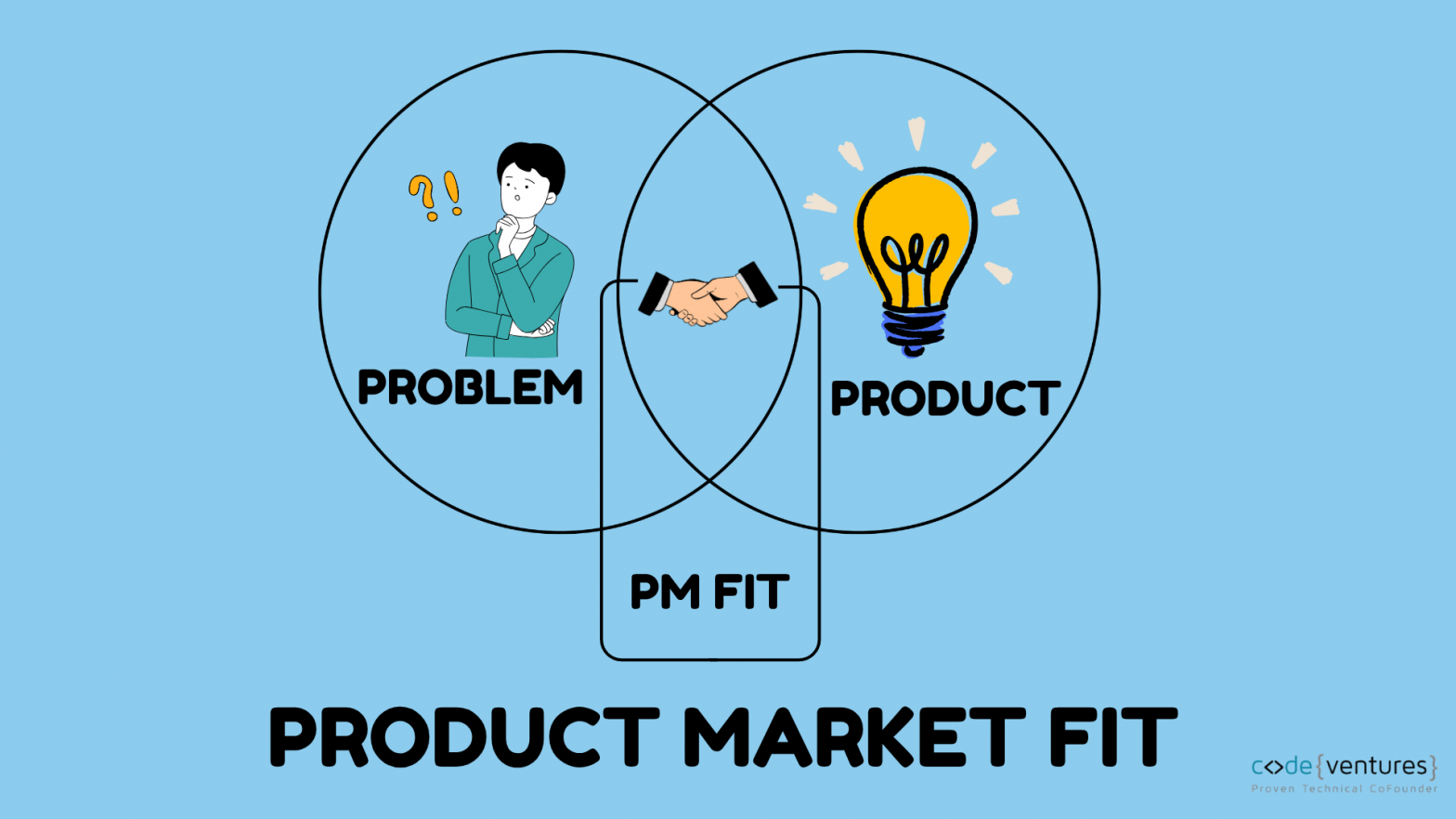
Product Market Fit: How to Achieve, Measure & Know You Have It
Many startups launch products with high hopes, but not all of them succeed. They create things that people don’t genuinely need or want, which is one of the main causes. Product-market fit, or PMF, becomes crucial in this situation. Product-market fit is the state in which a particular group of customers is willing to use… Continue reading Product Market Fit: How to Achieve, Measure & Know You Have It
How to Validate a Startup Idea Before Building Anything
Every year, thousands of startups fail, not because of bad technology, but because nobody actually needed the product. Many founders spend months building something before checking whether people truly want it. Startup validation helps you test your idea before investing time, money, and effort. Instead of guessing, you learn from real users and real market… Continue reading How to Validate a Startup Idea Before Building Anything